
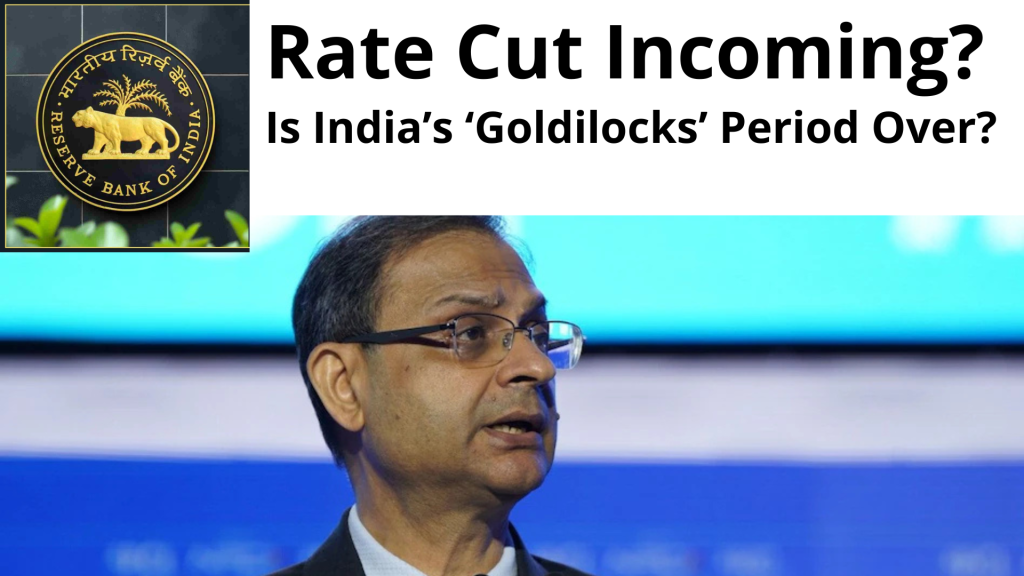
On 8th April 2026, Reserve Bank of India (RBI) will have its Monetary Policy Committee (MPC) meeting. The current situation has made it a heart-pounding moment as ongoing Iran-US conflict is fuelling the already diminishing growth rate of world economy. It can be assumed that the period of “Goldilocks” is now over and a new period of “war time” economy is taking over. For RBI MPC members it would be a difficult time as inflation is rising as well as rate cut is also needed for economy.
Ongoing Iran-US Conflict
The conflict started by US has now resulted in stoppage of oil transport to whole world due to blockage of Strait of Hormuz by Iran.
Moreover, US and Israel are attacking energy and oil refinery of Iran which are increasing oil prices. In retaliation, Iran is attacking oil refineries of Saudi Arabia and Qatar. These events are only fuelling price of crude oil.
Previous Sanctions of US
US has already placed sanctions on various crude oil countries including Russia, Iran and Venezuela. Therefore, India does not have much choice when selecting crude oil. Therefore, most of the oil in India comes from Saudi Arabia.
Since, Strait of Hormuz was blocked by Iran, most of fuel for India is also blocked. These situation resulted in shortage of LPG gas. It also impacted economy as many restaurants were closed due to shortage of commercial gas cylinders.
Recently, however, US allowed relieve in Sanctions against countries such as Russia and Iran to sell their crude oil to bring highly needed supply in world crude oil scenario.
Already battered Rupee against Dollar
India being the second largest consumer of oil and gas, highly depends on crude oil imports. Almost its 80% imports are through Strait of Hormuz and its blockage has detrimental impact on working of India.

With the increase in crude oil prices, it is giving a compounding impact on economics of India. As whenever there is increase of $10 in price of a single barrel of crude oil, there is an increase of 0.5% in Current Account Deficit (CAD) of Indian GDP. This results in almost 60 basis points increase in retail inflation.
Foreign Funds Outflow
There is already a depreciation of rupee when compared to USD due to recent rate cut by Federal Reserve and strengthening of USD. This has resulted in outflow of foreign funds to much safer assets such as US Dollar and Gold. Since India is a net importer country, the depreciation of Indian rupee has cumulating effect on import of goods.
RBI and its choice
On Wednesday, RBI MPC will be chaired by RBI governor Sanjay Malhotra, to members would decide whether to lower the rates or let it remain the same. In previous years, it is common that the rate decision taken in April month sets the trend for the whole year.
Until end of January 2026, there was a high probability that India could achieve GDP growth rate of 8% if a rate cut is made to current rates. However, current situation are totally opposite. Currently, there is no path to attain 8% GDP in upcoming year. Therefore, focus has changed to keep control over upcoming inflation due to fuel crisis.
Most likely, there would be repo rate cut to maintain 5.25% rate with shift from “Neutral” to “Calibrated Tightening” and there might be chance that hawkish “pause” is decided upon.
Previously, inflation were projected to roam around 4% which is very much under control. However, the ongoing US-Iran crisis made it impossible to remain fixated to 4% inflation rate.
Expected impact on common man
Due to the ongoing iran Us war, inflation is bound to increase and it will impact not only Indian Economy but common man too. RBI can somehow manage the impact for country but there is less relieve for common man.
In case of equity market, fear has gripped the market. As we can see that foreign investors are continuously pulling out their funds to move it abroad or shift it to safer assets such as gold.
The EMIs of loans, which were expected to fall are now going to remain same or get even higher.
The fuel crisis might play a big role in inflation as transportation costs of raw material might increase significantly.
Due to increasing USD INR rate, cost of importing items from foreign countries will be higher resulting in higher price of imported products.
Immediate Steps by RBI
The Iran US war has made RBI to utilise its Forex reserves to control the downfall of rupee in comparison to USD. Currently, RBI holds a forex reserve of around $700 Billion to buffer impact of geopolitical crisis on currency valuation. However, this reserve is continuously decreasing due to ongoing stalemate and no resolution from either side.
The Oil Ministry of India is looking for other crude oil suppliers including Russia and Venezuela as such diversification is the key to constant and uninterrupted supply of crude oil.
Conclusion
Current situation is a deadlock situation for RBI as it had to take a balanced step considering the ongoing war as well as supply side shock. Investors need to be ready for decisions that are hard to take. Investors can rethink about allocation of capital to different assets. Using Multi asset diversification can be very helpful during such situation as it buffers lot of volatility that is incoming with the market. Dalal Street Advisor as financial advisor in pune have some good asset diversification strategies that are helpful to protect capital in such vicious times.